
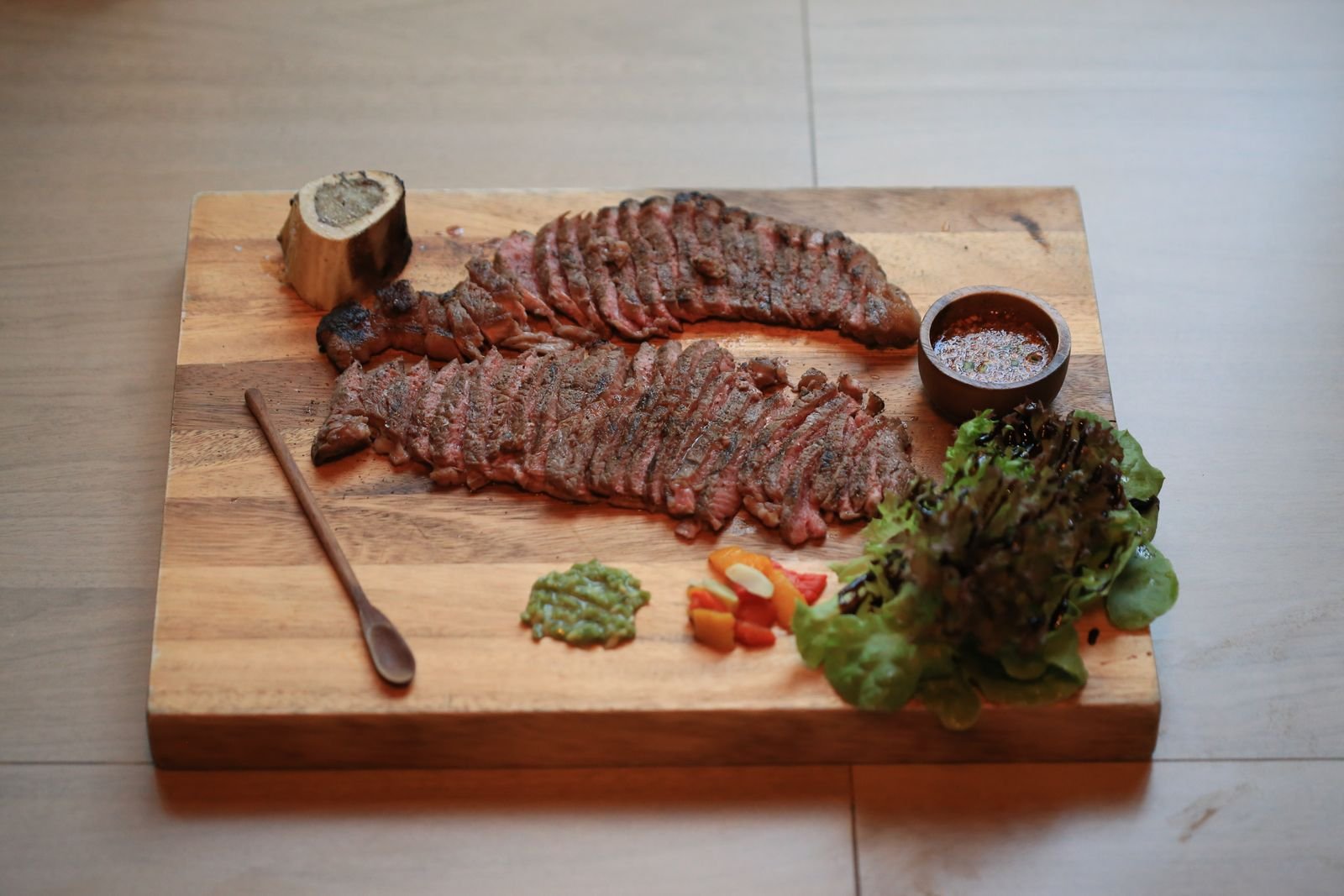
The best diet for joint pain is built from whole food: meat, fish, eggs, full-fat dairy and vegetables that grow above the ground, with bread, pasta, rice and sugar taken out. A 2026 guideline names joint pain among the problems that may ease as metabolic health improves, and says the medicines for it need review as that happens.
That guideline comes from the Society of Metabolic Health Practitioners. It is a document about low-carb eating for diabetes, weight and other metabolic problems. Joint pain shows up in one short line. But that line points at something most joint patients are never told: if your diet changes your pain, it also changes your medicine cabinet.
What does the 2026 guideline say about joint pain?
It says that as metabolic health improves, related problems may improve too. It lists four: acid reflux, a hormone condition in women often called PCOS, joint pain and migraine. Because those may get better, the medicines used for them may need to be adjusted.
Read that carefully. The guideline does not call low-carb a joint-pain treatment. It says joint pain is one of the things that tends to move when the metabolism moves. Our position goes further. Roughly 93% of chronic pain involves metabolic dysfunction, so in our patients the metabolism is rarely a side issue. It is often the reason a sore knee will not settle.
Why would food change how a joint hurts?
The guideline lays out how cutting carbs works. It lowers high insulin. It shrinks the deep belly fat that sits around the organs. It lowers inflammation. It names one switch in particular, the NLRP3 inflammasome, a sensor inside immune cells that turns on inflammatory signals. Low-carb eating turns that switch down and cuts the chemical messengers of inflammation.
Think of a joint as a hinge sitting in a bath. When the bath is full of insulin and inflammatory signals, every step on that hinge hurts more than it should. Drain the bath, and the same hinge often complains less. Weight matters too, since less belly fat means less load and fewer inflammatory signals. The guideline lists weight loss among the benefits.
There is a third driver, and it is not in your body. The cheapest, easiest food in most St. Louis neighborhoods is bread, chips, soda and fried food. Those are the foods that keep the bath full. Fixing the joint means fixing what is easy to buy at home.
What should I stop eating for joint pain?
The guideline’s list is short: bread, pasta, rice, cereal, sugary fruit, potatoes and other starchy root vegetables, added sugar and highly processed food. Industrial trans fats are out completely.
We add one item the guideline does not name. Industrial seed oils, the soybean, corn and similar oils in most fried and packaged food, come out too. In a population that is already metabolically sick, they do harm. Real olive oil stays.
What is the best thing to eat for joint pain?
Start with protein, about 25 to 30 grams at each meal. Build around meat, fish and eggs. Red meat and fish are good food for our patients. Add full-fat dairy and above-ground vegetables like greens, zucchini, tomatoes and cucumbers. Olives, avocados and berries are on the guideline’s list. Eat fat until you are full. The guideline says counting calories is generally not needed, and it should cost about what a standard diet costs.
Which pain medicines need a second look?
This is the part no diet handout covers. The guideline names medicines that can work against a low-carb plan, or that change as the plan works. Several are common in joint and headache care:
- Steroids. Steroid pills, inhalers, creams and injections can raise blood sugar and get in the way of ketosis. That includes the steroid in many joint injections, so tell us about every shot you have had.
- Beta blockers. Used for blood pressure and to prevent migraine, they can blunt fat-burning.
- Some antidepressants. The guideline names fluoxetine as one that can slow fat breakdown.
- Statins. Listed among drugs that can raise blood sugar.
- Blood-pressure pills and water pills. As insulin falls, the kidneys release salt and water and blood pressure drops. The guideline reviews these drugs at the start and every two to four weeks.
- Diabetes drugs. Insulin and sulfonylureas can push blood sugar too low within days of cutting carbs.
Any change to these is made by your doctor, never by you. That is most urgent for insulin, sulfonylureas, SGLT2 inhibitors and blood-pressure drugs. Bring every bottle to your visit, and we will sort out which ones to watch.
Joint-pain medicines are on a second list in the guideline. NSAIDs, such as ibuprofen and naproxen, and opioid pain medicines can push sodium too low. So can several antidepressants used for pain. Your kidneys already let go of salt in the first weeks of low-carb, so your doctor weighs these drugs when setting your salt target.
What if I have gout?
Gout is a joint pain that needs its own plan. The guideline warns that flares are more likely in the first weeks, because ketones and uric acid leave the body through the same exit. The rise in uric acid settles over two to eight weeks. Your doctor may suggest a medicine to prevent flares during that stretch. Do not let a gout history stop you. Let it shape how you start.
Which blood tests should I ask for?
For years I told prediabetic patients their A1C was “not too bad.” I was reading a late signal and calling it early. A1C moves only after years of damage. So we test the earlier signals.
The guideline’s basic panel covers weight, waist, blood pressure, a metabolic panel, a cholesterol panel and A1C. Its optional list is where joint patients gain the most:
- Fasting insulin or HOMA-IR, to find insulin resistance before blood sugar rises.
- hs-CRP and ESR, two readings of inflammation.
- Uric acid, which matters for gout.
- Vitamin D and B12.
- An advanced cholesterol panel with ApoB and Lp(a).
We add a few of our own. A fasting insulin above 10 µIU/mL is high risk in our clinic. LP-IR, a score from an advanced cholesterol test, tends to rise before A1C does. A GGT above 20 U/L is our early sign of a fatty liver. Oxidized LDL and the omega-6 to omega-3 ratio show how much processed food is driving the picture. The omega-3 index should be above 8%. These are our markers, not the guideline’s. Our metabolic and lifestyle care page explains how we use them.
How much weight should I give this guideline?
It is an expert consensus, not a clinical trial. Twenty-six experts voted, and every one of its 18 statements passed a 70% bar. Its first author is a paid consultant to the society. It says little about joints directly. What it gives a joint patient is a safe way to start and a clear list of medicines to watch.
What should I do first?
Do not change your plate and your pills on the same morning without a plan. Start with the tests. Bring your medicine list. Then change the food, and let your doctor change the doses as your numbers move. If your pain comes from worn joints, treatment of the joint itself still has its place, as our osteoarthritis page explains. Food does not replace that care. It changes what the joint is sitting in.
Doing nothing keeps the bath full, and every other treatment works against it. Changing the food protects the joints you have and may shrink the medicine list you carry.
The full eating protocol we coach at every physiotherapy visit is laid out on our diet and metabolic health coaching page.
Common questions
What vitamin am I lacking if my joints hurt?
No single vitamin explains joint pain. The guideline puts vitamin D and B12 on its list of tests to consider. We check them because they are easy to fix, but we look at insulin and inflammation first.
How fast will my joints feel different?
The first few days can feel worse, not better. The guideline says start-up symptoms like headache, tiredness and muscle cramps begin within two to three days and can last two to four weeks. Most come from losing salt and water. The guideline suggests 2 to 3 grams of sodium a day for most people, but check with us first if you have heart or kidney disease.
Is saturated fat bad for my joints?
The guideline says current evidence does not support limiting saturated fat to prevent heart disease. It lists butter, tallow and full-fat dairy as normal fat sources. The fats it rules out are industrial trans fats.
Sources
- Rice SM, Buchanan LA, Calkins MW, Cucuzzella MT, Cywes R, Devine PL, Kalamian M, Kalayjian T, Reynolds DB, Westman EC. A Delphi consensus-based guideline for the implementation of therapeutic carbohydrate reduction in metabolic disorders. Journal of Metabolic Health. 2026;9(1):a152. DOI 10.4102/jmh.v9i1.152.
Hurt in an accident? Start here.
You do not need a lawyer, a police report or a referral to be seen. Bring your symptoms and we will work out the rest.
Monday–Friday, 8:00 a.m. – 4:00 p.m. Same-day appointments are often available for new accident and injury patients.