
Physiotherapy at Gateway Midwest is a physician-directed program for people hurt in a car crash, a fall or a work accident in St. Louis. It uses treatments like heat, traction, laser and mild electrical stimulation to settle injured muscles, joints and nerves and get them working again, and a physician orders every one of them and is on site while they run.
Gateway Midwest is the accident, injury and pain practice on Natural Bridge Road, on the north side of St. Louis. Most people in this program were hurt in a collision, a fall or on the job somewhere in Missouri. After an injury like that, two things matter: getting better, and having a record that shows how you got better. So a physician decides every treatment, every visit is charted in one fixed format, and your progress is scored on one questionnaire at intake and at each re-check.
What is the Physician-Directed Physiotherapy Program?
Its full name is the Physician-Directed Physiotherapy Program: Neuromuscular Modality Re-Education Protocol. Broken into plain words:
- Physician-directed: a licensed medical doctor sees you first, then decides and signs off on every treatment you get.
- Physiotherapy: using warmth, cold, guided motion, light, sound-wave pulses and low electrical current to help hurt tissue recover.
- Neuromuscular re-education: retraining the nerve-and-muscle teamwork that an injury knocked out of sync.
- Modality: any one machine or method used for treatment.
- Protocol: a written routine done identically at each visit, which leaves no room for guesswork.
Who runs the program?
The program runs under the medical direction of Dr. Gurpreet Singh Padda, MD, MBA, MHP. Your physician does the exam, signs the orders and does the re-checks. Trained technicians carry out the orders at each station exactly as written, and technicians earn a written sign-off on each machine before they may run it alone.
Our technicians hold no physical therapy license, and they will never tell you otherwise. Only a physician may diagnose, alter a setting or add something new to your plan. Licensed physical therapy is a separate service here, described on our physical therapy page.
From intake to discharge: how does the program work?
Step 1: Paperwork, one time
You complete intake paperwork a single time, and staff key your details in once, which keeps copying errors out of your chart.
Step 2: A physician examines you
Your physician examines you and puts the plan in writing: which treatments, how strong, plus any tests or gear, all signed in your chart.
Step 3: Your first treatment visit
You answer a short questionnaire about your daily life and learn your home exercises. If a brace or a home TENS unit was ordered, we fit it and show you how to use it.
Step 4: Every visit after that
Before anything starts, staff confirm a physician is in the building and ask the safety questions out loud. Then you go station to station through what your physician ordered, and each treatment is logged in that day’s note.
Step 5: Tests, if they are ordered
Nerve tests and other measurements are booked for you, and we follow up on each one at every visit until it is done.
Step 6: Re-checks
On scheduled dates the questionnaire comes back and your physician repeats the exam. From there you either graduate with exercises for home, or you stay on with a revised plan.
How many visits you need comes down to the injury and your pace of recovery. For some people, one or two is enough. A more serious injury can call for 60 or more spread over several months. Your physician sets the plan and reworks it as you heal.
Which treatments can your physician order?
Your physician decides which treatments are on your list and at what strength. Any treatment can be halted the moment you ask. Each card opens a page on what it feels like, when it is ruled out, and the three points worth remembering.
Heat and cold therapy
Cold settles a fresh injury; heat loosens muscles that have tightened up. Your physician picks which one. About 10 to 15 minutes.
Learn more →Vibration therapy
A gently buzzing platform, rails in hand, gets the little stabilizing muscles around your spine and joints firing again. About 10 minutes.
One-on-one: a technician is at your side throughoutLearn more →Traction chair
A reclining chair slowly stretches and releases your spine to ease pressure and relax tight muscles. You can stop it at any time. About 15 minutes.
Learn more →Neck decompression
Lying face up, head in a padded cradle, the table eases your neck into a gentle pull and back, cycle after cycle. 15 to 20 minutes.
Learn more →Laser therapy
Light from a handheld laser helps settle pain and swelling in the injured spot. Everyone in the room wears safety goggles. About 10 minutes.
One-on-one: a technician is at your side throughoutLearn more →Shockwave therapy
Pulses of sound-wave energy go into a sore tendon or knotted muscle to calm pain and get healing moving. Weekly at most, and only if ordered.
Learn more →TENS (gentle electrical stimulation)
A mild electrical tingle through sticky skin pads turns pain signals down. It is the last, calming step of a visit. About 15 minutes.
Learn more →When all seven are ordered, they run in a set order: warming up first, then stretching, then the targeted treatments, and calming down last.
Which tests might your physician order?
An exam does not answer every question an injury raises. When a test is ordered, we book it and keep checking at each visit until it is done.
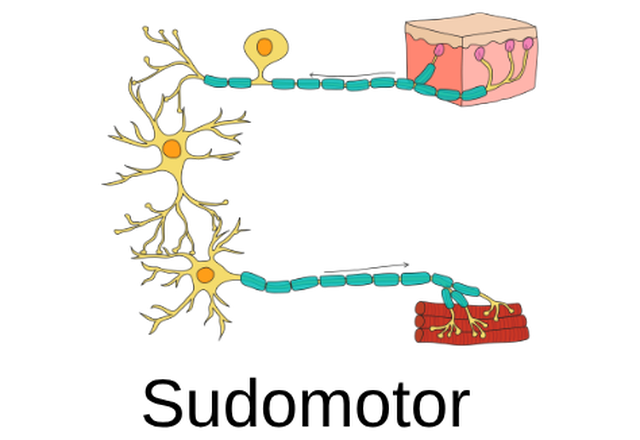
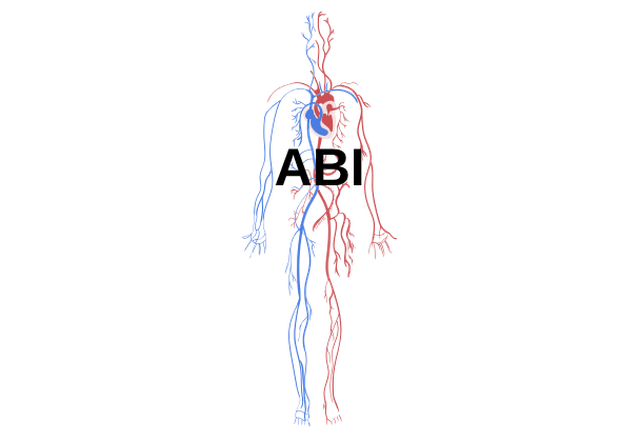
Gateway Midwest also offers the  assessments, a set of measurements of the heart and blood vessels, the nerves, balance and metabolism:

 CognivueTen minutes at a computer screen to measure memory, focus and reaction speed after a head injury.Learn more →


Why is food part of every visit?
Diet and metabolic health coaching
Healing happens in the whole body, not just the hurt spot. Blood sugar that runs high, fat around the middle and constant snacking feed inflammation, which slows repair and turns up pain, and short sleep and stress add to it. That is why part of each visit goes to food, guided by a written protocol you receive on day one. It starts with a 10-minute stroll after each meal, cutting out vegetable oils and sugar, a full night of sleep (7 hours or more), and a limited window each day for meals.
Learn more →Our article on diet for joint pain goes deeper on how food and sore joints connect.
What do you do at home?
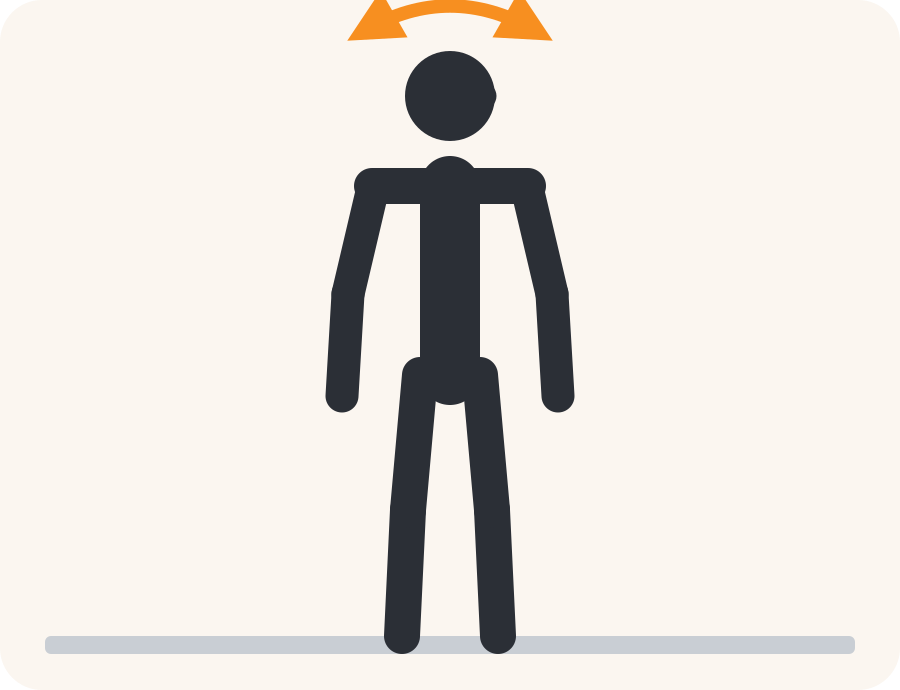
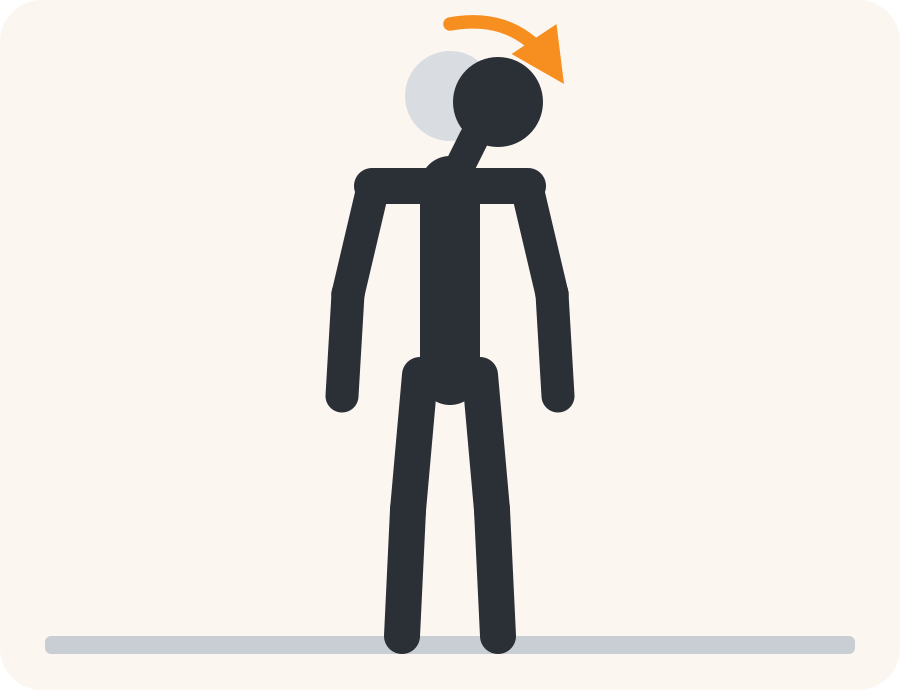
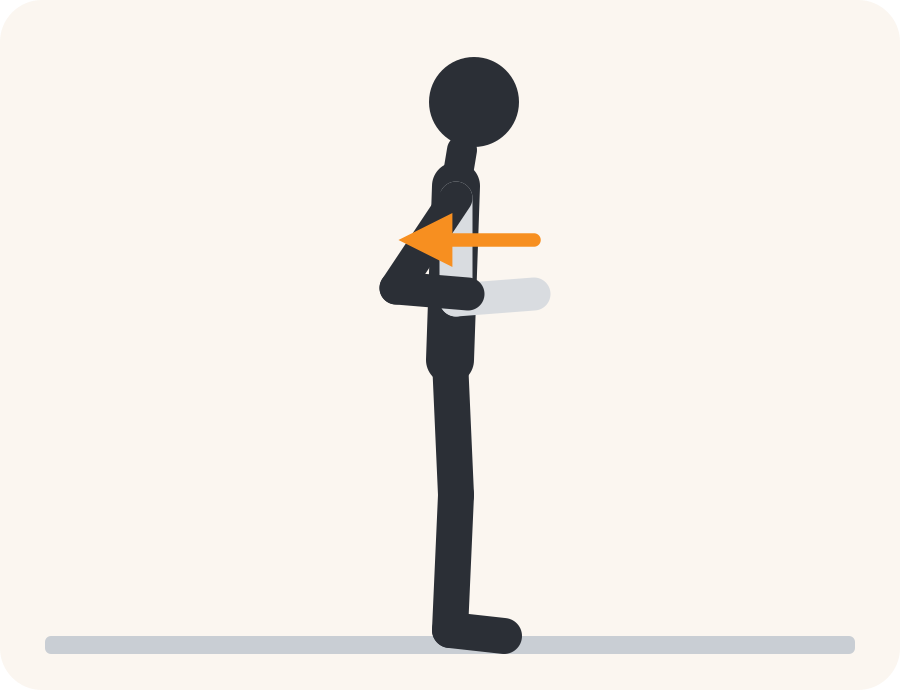
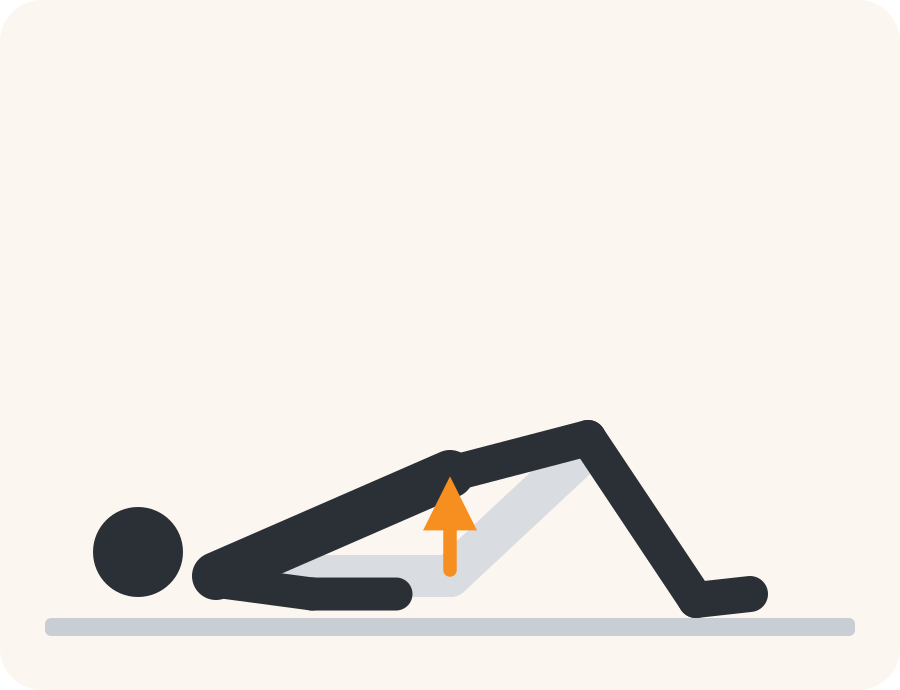
What you do between visits matters more than any machine. On your first treatment day you learn a handful of exercises for your injured area, to repeat twice daily. Your exercise log comes with you each visit, where your technician tallies the days, has you show one exercise to check form, and records the tally in the visit note. Tap an exercise to see its drawing, its steps and the signs to stop.
Neck exercises

Low back exercises


Knee exercises
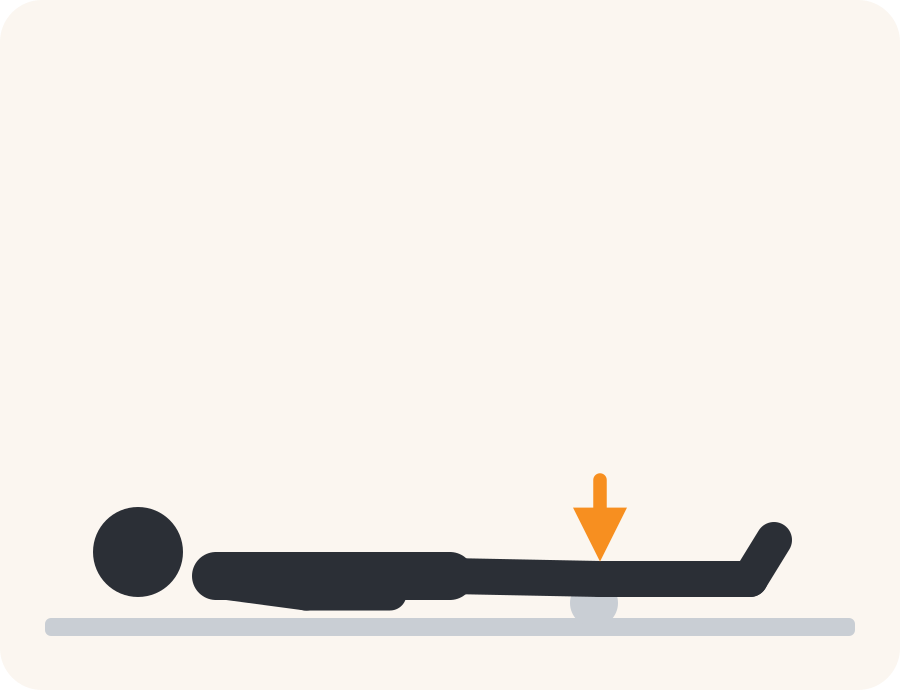


Shoulder exercises, including the I, Y, T, A series
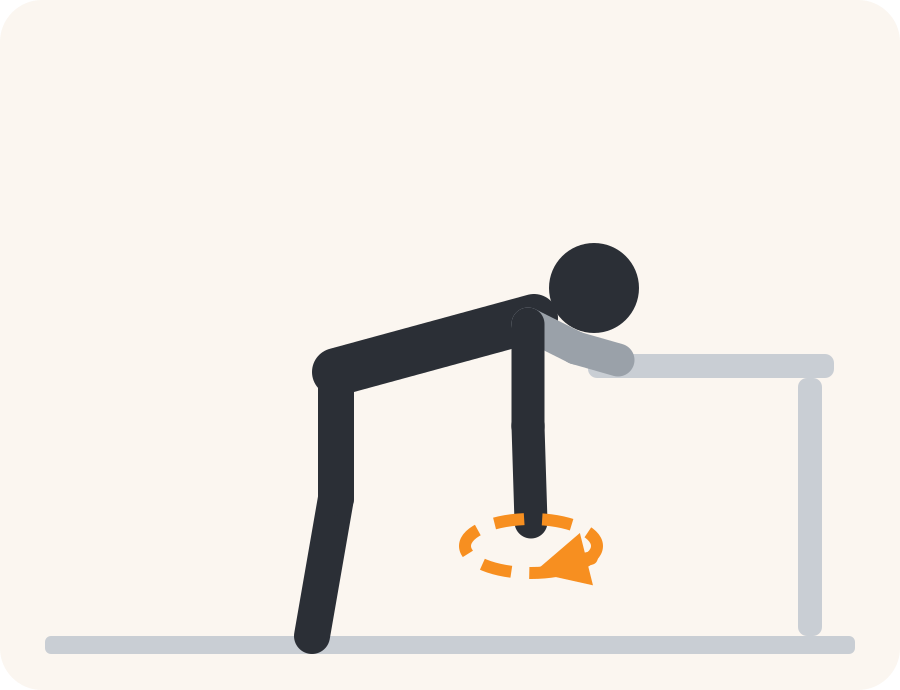

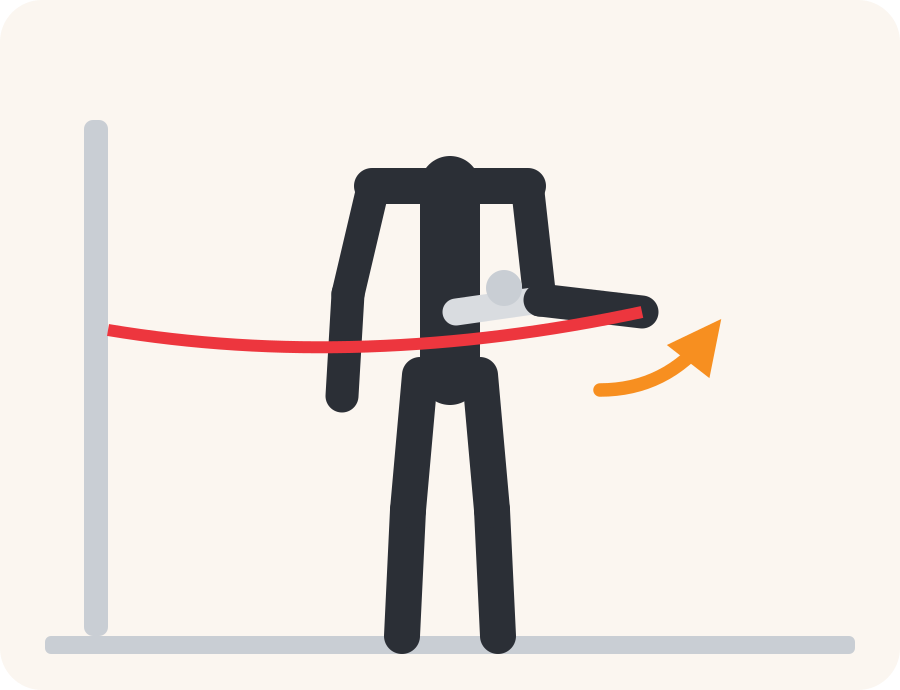


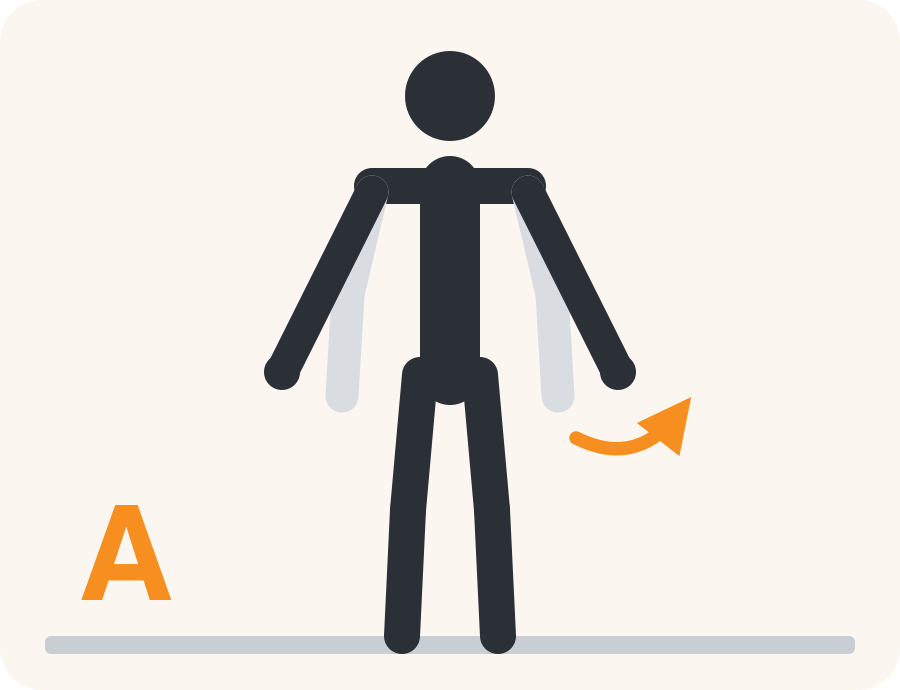
Already know you have a narrowed spinal canal or a disc problem? Our guides to spinal stenosis exercises to avoid and herniated disc exercises to avoid explain which movements to leave out, and your physician uses the same logic when checking your sheet.
What equipment might you go home with?
Ordered equipment is fitted to you before you leave, with hands-on teaching and written instructions to take home. Each item is logged once, at the moment you sign for it.
How do we know the program is working?
A pain score can change hour to hour, so the program also tracks function: what your body lets you do. You complete a brief, standard questionnaire for each hurt area at intake and again at each re-check, without help, so the answers reflect you.
Neck
The Neck Disability Index asks how the injury gets in the way of sleep, work, dressing and other daily tasks. Read more about neck pain.
Low back
The Oswestry Disability Index asks how the injury gets in the way of sleep, work, dressing and other daily tasks. Read more about low back pain.
Knee or leg
The Lower Extremity Functional Scale asks how the injury gets in the way of sleep, work, dressing and other daily tasks. Read more about knee pain.
Shoulder, arm or wrist
The QuickDASH asks how the injury gets in the way of sleep, work, dressing and other daily tasks. Read more about shoulder injuries.
Every questionnaire has a known point change that marks real improvement. Miss that mark and the plan is rewritten, with the reason noted in your chart, so no one burns weeks on care that is not paying off.
What does your visit record show?
This section is written for your attorney, the insurer and anyone else who reviews your chart. Each visit is documented in one standard format, as it happens, so it can be checked:
- Arrival and departure times, every treatment given, its settings and your response, in a note signed for each visit.
- Start and stop clock times for each one-on-one treatment.
- Your signature on every visit note, confirming what you received.
- Your questionnaire scores from day one and from every re-check, so progress is measured rather than estimated.
- Physician orders, re-check findings and test results, each signed in the electronic chart.
- A signed equipment receipt for anything you took home.
A complete record that anyone can check works in favor of whoever is telling the truth. For the paperwork side of a crash, see insurance and billing after an accident.
What happens at a re-check?
The questionnaire is repeated, your physician examines you, and one of two things follows:
- Finished. Your final scores go with you, along with a plan for home.
- More time needed. Your chart gets a written reason for more care and a list of what changes, plus a date for the next re-check. Doing more of the same is not, by itself, grounds to carry on.
Should progress flatten out, your physician may raise next steps such as a diagnostic nerve block or PRP injections, long before surgery comes up.
Frequently asked questions
Is physiotherapy the same as physical therapy here?
No. Licensed physical therapists provide physical therapy, which has its own page here: physical therapy. In the physiotherapy program, orders come from a physician who also supervises them, while trained technicians do the hands-on work. They are never called physical therapists.
Do I need a lawyer, a police report or a referral?
No. Call (314) 310-5577 or request an appointment. Bring any scans or X-rays you have, plus a claim number if you were given one. If you are not sure what to do first, start with what to do after a car accident.
How many visits will I need?
Recovery speed and injury type decide it. A single visit or two can be plenty, while bad injuries may need 60-plus visits over a span of months. Your plan gets reviewed at every re-check. More on car accident injury care.
Does any of it hurt?
Most treatments feel like warmth, a stretch or a tingle. Shockwave may sting for a few seconds. Speak up if anything hurts; we switch the machine off right then. Why a neck can hurt so much after a crash: whiplash.
What if I have to miss a visit?
Call or text at least 24 hours ahead, and we will try to move it to another day that same week. Gaps in care slow healing, and they are one of the first things an insurance company looks for. Read about delayed symptoms after a crash to see why steady care matters.
Where is the program located?
At Gateway Midwest Healthcare, 12174 Natural Bridge Road, Suite 110, St. Louis, MO 63044, close to Lambert airport. Call (314) 310-5577. We are open Monday through Friday, 8:00 a.m. to 4:00 p.m. Directions and parking are on our contact and directions page.
Sources
- Vernon H, Mior S. The Neck Disability Index: a study of reliability and validity. J Manipulative Physiol Ther. 1991;14(7):409-415. PubMed 1834753
- Fairbank JC, Pynsent PB. The Oswestry Disability Index. Spine. 2000;25(22):2940-2952. PubMed 11074683
- Binkley JM, et al. The Lower Extremity Functional Scale (LEFS). Phys Ther. 1999;79(4):371-383. PubMed 10201543
- Beaton DE, et al. Development of the QuickDASH. J Bone Joint Surg Am. 2005;87(5):1038-1046. PubMed 15866967
Hurt in an accident? Start here.
You do not need a lawyer, a police report or a referral to be seen. Bring your symptoms and we will work out the rest.
Monday–Friday, 8:00 a.m. – 4:00 p.m. Same-day appointments are often available for new accident and injury patients.